
Understanding the psychological triggers that influence casino behavior
The Nature of Casino Atmosphere
The atmosphere of a casino plays a crucial role in influencing player behavior. Bright lights, vibrant colors, and upbeat music create an environment designed to stimulate excitement and engagement. This sensory overload can lead to a euphoric feeling, making it easier for players to lose track of time and money. By crafting an inviting and exhilarating environment, casinos encourage individuals to immerse themselves fully in the gaming experience, enhancing the likelihood of extended play. Many players are drawn to the best online casino canada options, ensuring an engaging and safe experience.
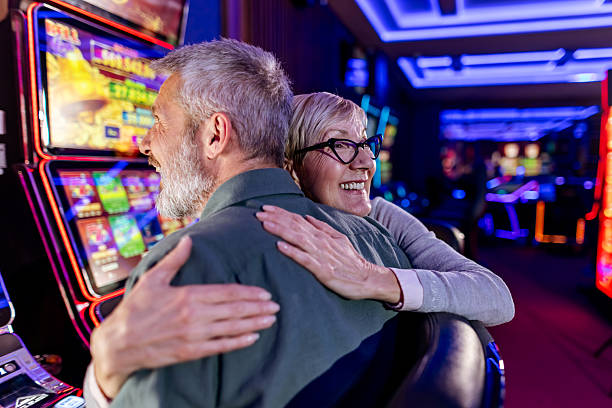
Moreover, the layout of casinos is meticulously designed to guide players through a series of gaming options. The placement of slot machines and table games promotes exploration, often leading patrons to try their luck at games they might not have initially considered. This deliberate design not only maximizes the time spent within the casino but also increases the chances of gambling behavior driven by impulse rather than rational decision-making.
Reward Systems and Gamification
Casinos leverage the principles of operant conditioning to reinforce behavior through rewards. When players experience a win, whether significant or minor, their brains release dopamine, a neurotransmitter associated with pleasure and reward. This neurochemical response reinforces the desire to gamble again, often leading to a cycle of risk-taking behavior. Players may chase losses, believing that a win is just around the corner, further fueled by the promise of potential rewards.
Additionally, many casinos employ gamification strategies, such as loyalty programs and bonus systems, to enhance player engagement. These systems provide tangible rewards for continued play, making players feel valued and increasing their investment in the casino experience. As players accumulate points or unlock bonuses, they become more likely to return, creating a long-term relationship that benefits the casino and encourages sustained gambling behavior.
The Role of Social Influence
Social dynamics also significantly impact casino behavior. Gambling is often viewed as a social activity, where players enjoy the company of others while participating in games. The presence of friends or even strangers can enhance excitement and competition, driving individuals to take risks they might avoid in solitude. Social interactions can normalize gambling behavior, making it seem more acceptable and encouraging players to engage in activities that they might otherwise avoid.
Furthermore, the concept of social proof plays a vital role in shaping gambling decisions. Seeing others win or have fun can create a sense of urgency or excitement, prompting individuals to join in on the action. This herd mentality can lead to increased participation in gambling activities, as people are influenced by the behavior and perceived success of those around them.
Emotional Triggers and Gambling Decisions
Emotions significantly influence gambling behavior, often driving individuals to make irrational choices. Feelings of excitement, stress, or boredom can lead players to seek out the thrill of gambling as a means of escapism. For some, the adrenaline rush of taking risks offers a temporary reprieve from everyday stresses, compelling them to gamble in hopes of achieving that euphoric feeling.
Additionally, the fear of missing out (FOMO) can be a powerful emotional trigger. When players perceive that others are enjoying wins or thrilling experiences, they may feel compelled to participate, even at the risk of financial loss. This emotional connection to gambling can cloud judgment, leading individuals to ignore the potential consequences of their actions in favor of immediate gratification.

Your Guide to Safe Gambling Practices
Understanding these psychological triggers is crucial for players seeking to engage in responsible gambling. Knowledge of how environments, rewards, social dynamics, and emotions influence behavior can empower individuals to make informed decisions about their gambling activities. Setting limits and recognizing personal triggers can help mitigate the risks associated with gambling, ensuring that it remains a form of entertainment rather than a source of stress or financial hardship.
For those interested in navigating the world of online casinos, it is essential to choose platforms that prioritize safety and responsible gaming. Comprehensive reviews of online casinos can provide valuable insights into which sites offer secure and enjoyable experiences. By selecting reputable casinos, players can enjoy their gaming experience while maintaining control over their gambling behavior.